How to set up and calculate paid time off, using annual and accrual methods, prorating for new hires, handling carryover, and keeping balances accurate.
S
SimpleHR Team
SimpleHR
Paid time off is a benefit people notice, and getting the math wrong causes frustration fast. Whether you give everyone a fixed pool or let days build up over time, a clear method keeps balances fair and easy to explain.
Here is how the two common methods work and how to handle the tricky parts like new hires and carryover.
Method one: an annual PTO pool
The simplest approach is to grant a fixed number of days at the start of the year, for example 15 days of vacation. Everyone starts fresh with the same balance, and time off reduces it.
The main decision is what happens to unused days at year end. Some companies reset to zero, some let a portion roll over, and some let employees convert unused days to cash.
Method two: accrual over time
With accrual, PTO builds up gradually. You choose an accrual period and rate, then add to the balance as employees work.
Per pay period: accrue a small amount each payday.
Per month: add a fixed number of hours or days monthly.
Per hour worked: accrue based on hours actually worked.
Accrual is handy for part-time staff and teams whose hours vary, because the balance naturally reflects time actually worked.
Handle the tricky parts
Two situations tend to confuse PTO math: new hires and carryover. Decide these in advance so the process is consistent.
Prorate for new hires: grant a share of the annual amount based on how much of the year remains, or start accrual from their start date.
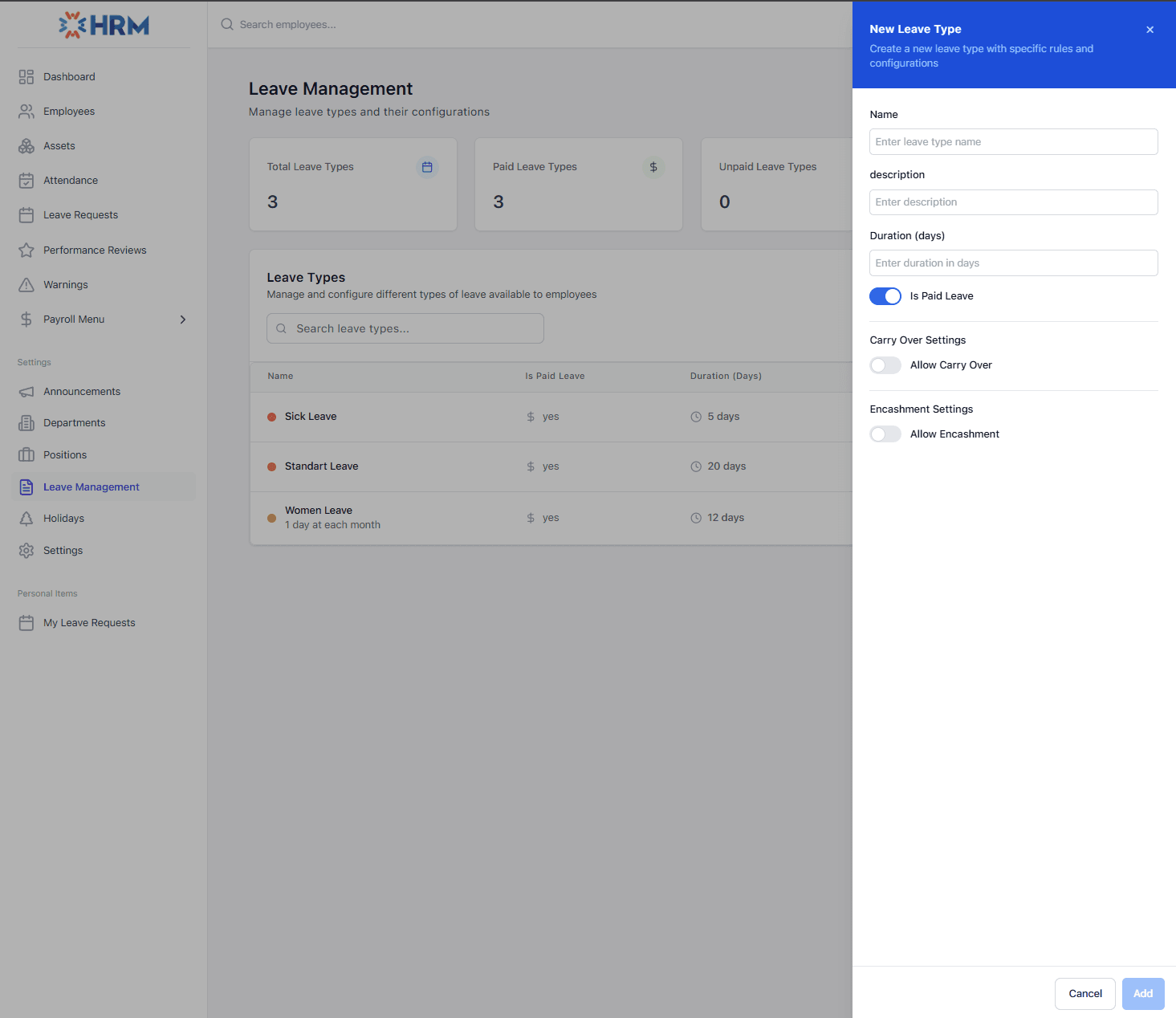
Set a carryover cap: if days roll over, cap how many do so that balances stay reasonable.
Pick an encashment rule: decide whether unused days can be converted to cash and up to how many.
Refresh on the right date: choose a clear annual reset moment, such as the start of the employment year.
Example: prorating for a mid-year hire
Suppose the annual policy gives 20 vacation days and an employee starts halfway through the year. A simple proration gives that person roughly half of the annual amount for their first year.
Annual days = 20
Months left in year = 6 of 12
Prorated PTO = 20 x (6 / 12) = 10 days
Keep balances visible
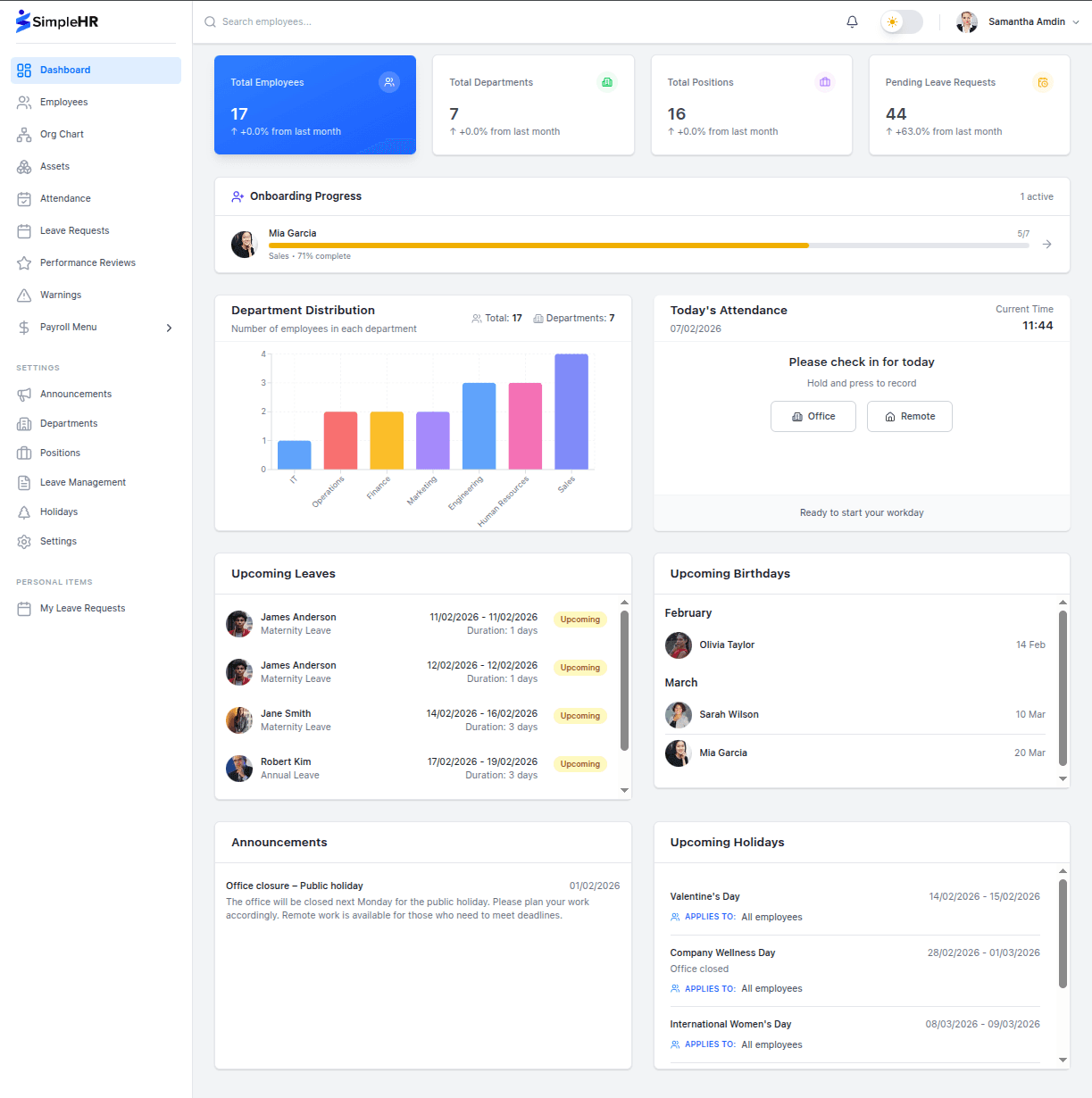
Employees are far happier with a policy they can see. Show each person their allocated days and remaining balance so there are no surprises when they request time off.
Frequently asked questions
Should I use an annual pool or accrual?
An annual pool is simplest for full-time staff and easy to explain. Accrual suits part-time staff and teams with varying hours, because the balance reflects time actually worked.
How do I prorate PTO for a new hire?
Grant a share of the annual amount based on the time remaining in the year, or start their accrual on their start date. Pick one rule and apply it consistently.
What happens to unused PTO at year end?
That is a policy choice. Companies reset to zero, allow a capped carryover, or let employees encash unused days. Set the rule clearly and communicate it.
How do I avoid PTO math errors?
Use one consistent method, refresh balances at a set time, and consider software that calculates time off automatically from the policy you configure.
The bottom line
PTO is easy to calculate when the policy is clear: pick annual or accrual, decide on proration and carryover, and show employees their balances. Keep the rules consistent, and time off stops being a source of confusion.